
Have you ever clicked on a perfectly timed ad and thought, “Wow, that was easy”?
As consumers, we only see the final product: a catchy headline, a stunning visual, and a button practically begging us to click. It looks effortless. But for business owners and marketers, that split-second conversion is the culmination of weeks of unseen, meticulous work.
There is a dangerous misconception in the performance marketing space that launching a profitable lead generation campaign is simple. The reality is that a truly successful campaign is built on a complex, multi-layered digital marketing strategy. It’s not just about the graphic or the witty caption; it’s about the unseen work that ensures a positive Return on Ad Spend (ROAS). That “simple” ad is just the tip of the iceberg, and understanding the hidden layers is the key to unlocking consistent revenue.
The Iceberg Illusion: Why Digital Ad Success is More Than Just “Hitting Publish”
When a client looks at a lead generation agency‘s work, they usually see three things:
- The Ad Creative: The image or video.
- The Copy: The words that persuade them.
- The Result: The lead hitting their inbox or CRM.
What they don’t see is the massive underwater structure holding that tip up. Getting a high-quality lead doesn’t happen by accident; it happens through a rigorous framework of strategy, psychology, data analysis, and technical implementation. Let’s pull back the curtain on the invisible work behind leads.
Phase 1: The Blueprint (Market Research & Strategy)
Before a single pixel is designed or a word is typed, the foundation must be built. Skipping this step is the fastest way to burn ad spend.
Deep-Dive Audience Profiling
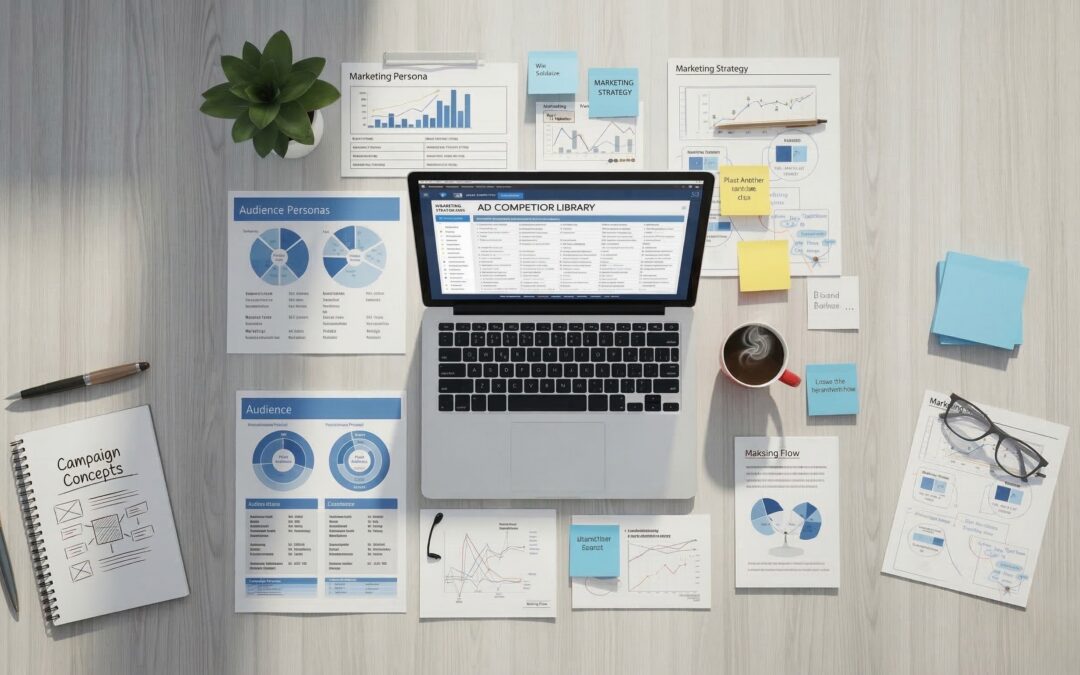
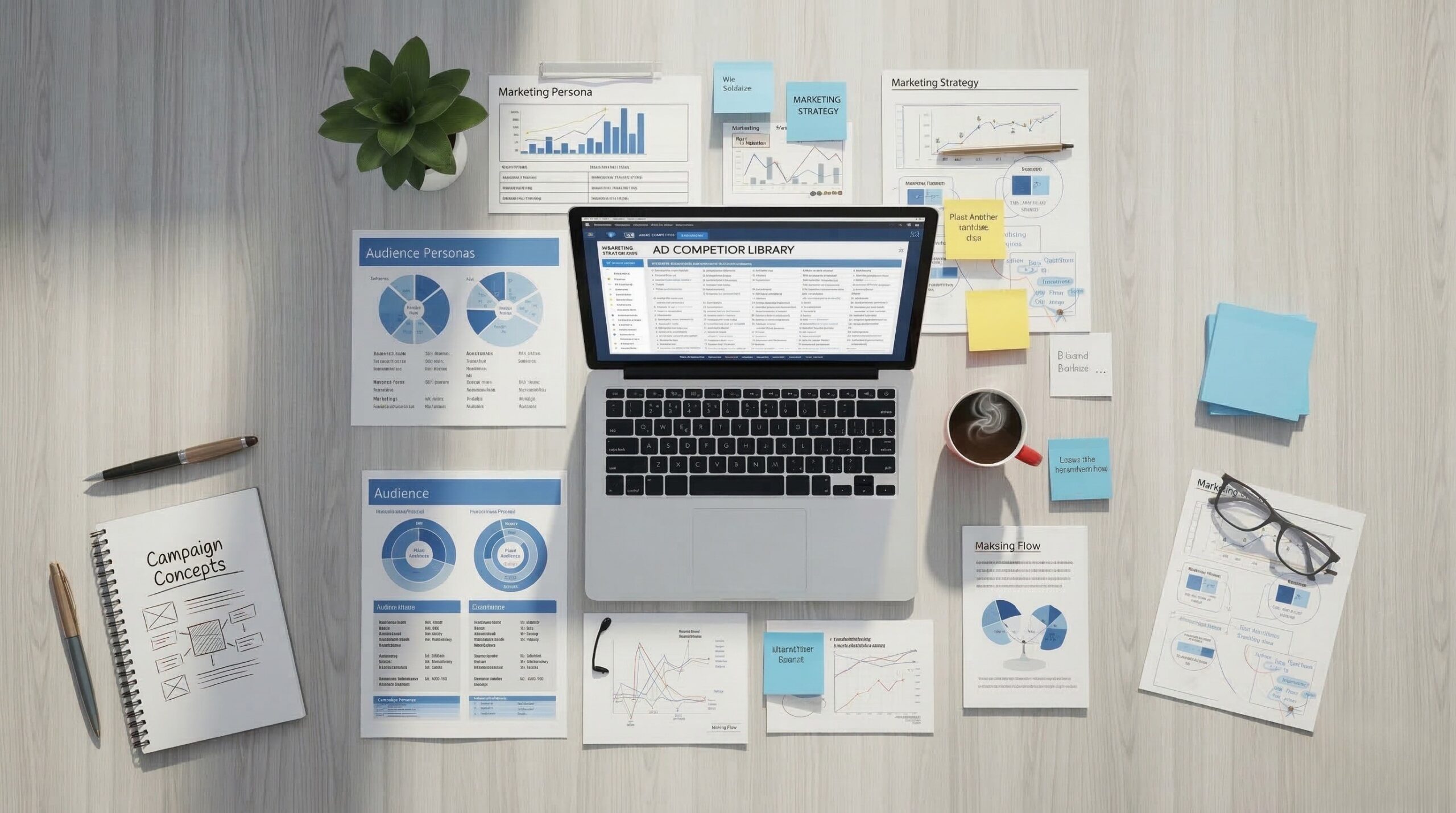
We aren’t just targeting “women aged 25-45.” We are building psychographic profiles. We spend hours mapping out the exact persona of the person who needs what you sell.
Competitor Espionag
What are your competitors doing? We analyze their ad libraries, dissect their landing pages, and figure out their core offers. The goal isn’t to copy them, but to find the gaps in the market that your ad can fill.
Offer Formulation
An ad is only as good as the offer behind it. We spend significant time tweaking the angle of the offer so it feels irresistible. A generic “10% off” won’t cut it anymore; we need a “hook” that stops the scroll and improves your Conversion Rate Optimization (CRO).
The Invisible Cost: Hours of market research, subscribing to competitor spy tools, and strategic brainstorming sessions.
Is your creative failing to stop the scroll? Get a free Audit of your current Ad account by Digital Narada.
Phase 2: The Art (Creative Conception & Sales Psychology)
Once the strategy is locked in, we move to the creative phase. This is where aesthetics meet sales psychology.
Angle Testing
We don’t just write one ad. We write five to ten different variations, testing different emotional triggers: Fear of Missing Out (FOMO), logical reasoning, social proof, and aspiration.
Visual Engineering
Whether it’s a static image or a short-form video, the visual must capture attention in less than three seconds. This involves professional graphic design, video editing, sourcing high-quality B-roll, and ensuring the formatting fits perfectly across native platforms like Instagram Reels or LinkedIn Feeds.
Landing Page Continuity
Getting the click is only 10% of the battle. The user must land on a page that exactly matches the promise of the ad. Building, designing, and writing a high-converting landing page is a massive project in itself.
Pro Tip: Dedicated landing pages typically convert 3–5x better than sending traffic to a homepage.
Phase 3: The Science (Technical Setup & Tracking)
This is the most invisible, yet most critical, part of the entire process. If the tracking is broken, the campaign is blind.
Pixel & API Implementation
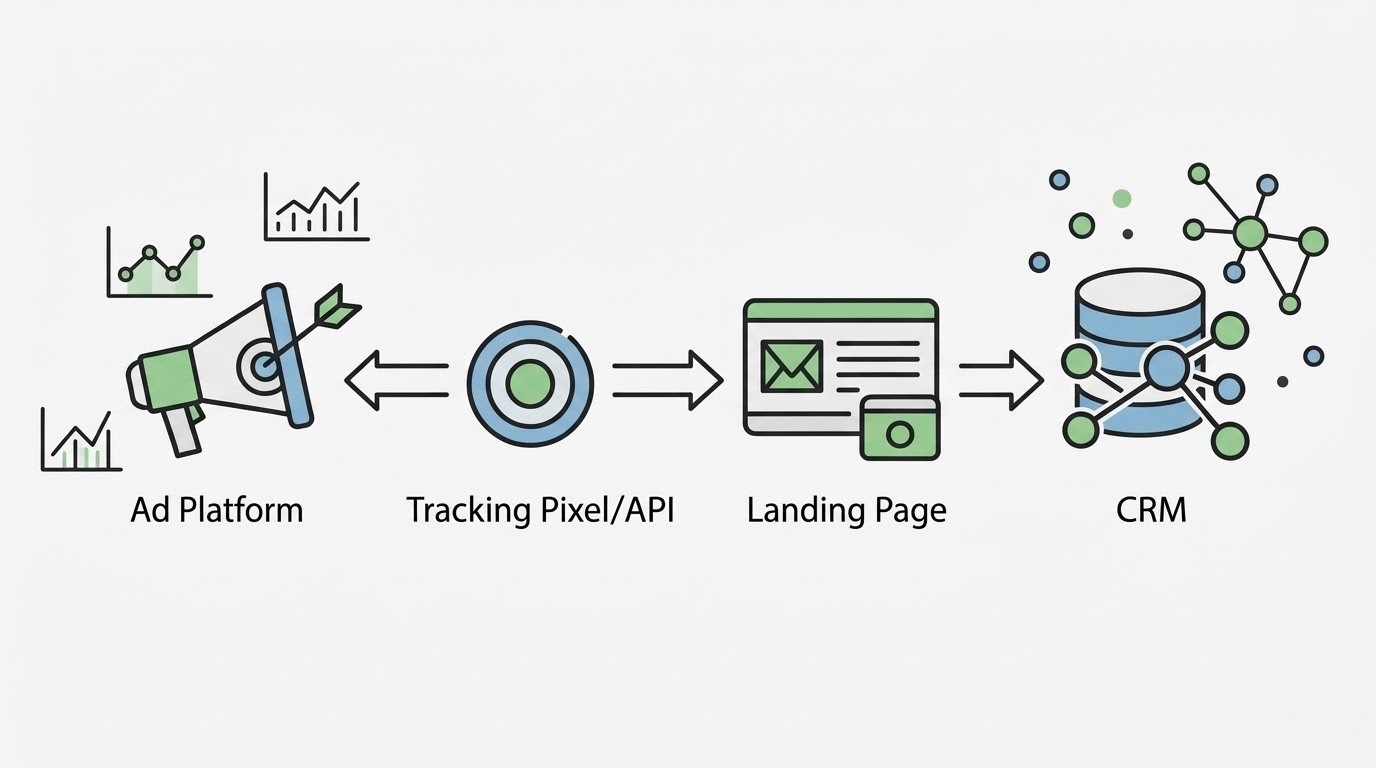
Installing tracking codes (like the Meta Pixel or Google Tag) across your website. With modern privacy updates like Apple’s iOS 14+, ensuring the Conversions API is firing correctly has become highly technical.
Custom Conversions & CRM Integration
Building custom URLs (UTM Parameters) so we know exactly which ad generated which lead. We then ensure that lead flows seamlessly into your CRM—like HubSpot or Salesforce—via automation tools like Zapier.
Phase 4: The Grind (Ongoing Optimization & Management)
The real work happens in the trenches of the data. Launching the ad is just the starting line.
The 48-Hour Watch & Ruthless Pruning
We monitor the initial launch to ensure budgets are pacing correctly. After a few days, we analyze Click-Through Rates (CTR) and Cost Per Lead (CPL). We ruthlessly kill the ads that are wasting money and funnel the budget into the winners.
Creative Fatigue Management
Even the best ad will eventually stop working as the audience gets tired of seeing it. We constantly have a secondary batch of creatives ready to rotate in to keep the campaign fresh and maintain a high ROAS.
Breaking Down the Costs: What Does Ad Management Actually Price In?
Here’s a realistic breakdown for a professionally managed paid media campaign (India market, B2B context):
| Activity | Time (Approx.) | Notes |
| Discovery & Research | 5–10 hrs | One-time per new campaign |
| Ad Copywriting | 4–8 hrs | Per platform, per month |
| Creative Production | 6–12 hrs | Design + video; recurring |
| Campaign Setup | 4–6 hrs | Technical tracking & API |
| Active Management | 8–15 hrs/mo | Weekly optimization & pruning |
| Total (Month 1) | 27–51 hrs | Decreases slightly in Month 2 |
Digital Marketing FAQ: Frequently Asked Questions
How long does it take to see results from paid ads?
Typically 4–6 weeks for Google Search Ads to stabilize, and 6–8 weeks for Meta Ads to exit the learning phase. B2B lead generation often needs 2–3 months for consistent flow.
What is a good cost per lead (CPL)?
It depends on your Customer Acquisition Cost (CAC) and deal value. A B2B SaaS company with a high contract value can justify a CPL of ₹2,000–5,000, while e-commerce needs it much lower.
Build a Lead Generation Machine with Digital Narada
At Digital Narada, we don’t just “run ads”—we engineer systems that get smarter every month. We manage paid campaigns across Google Ads, Meta Ads, and LinkedIn Ads for brands looking to scale.
Our process is transparent, data-driven, and focused on your bottom line. We handle the heavy lifting, the invisible tracking, and the daily optimization so you can focus on closing deals.
Ready to stop wasting ad spend? Book a Free Ad Account Audit with Digital Narada — We’ll find the “invisible” leaks in your current funnel and show you how to fix them.