
One of the most critical decisions digital marketers and business owners face when scaling a digital presence is where to allocate their advertising budget. The landscape is dominated by two titans: Google and Meta (formerly Facebook).
Both platforms offer unparalleled reach and sophisticated targeting, but they operate on fundamentally different philosophies. Choosing the wrong platform can result in burned budgets and high acquisition costs, while the right choice can transform your lead generation and revenue trajectory.
So, in the battle of Meta Ads vs. Google Ads, which one should your business choose? The answer lies in understanding how each platform aligns with your specific customer journey, product type, and business goals. Let’s break down the mechanics, strengths, and ideal use cases for both.
Google Ads: The Power of Search Intent
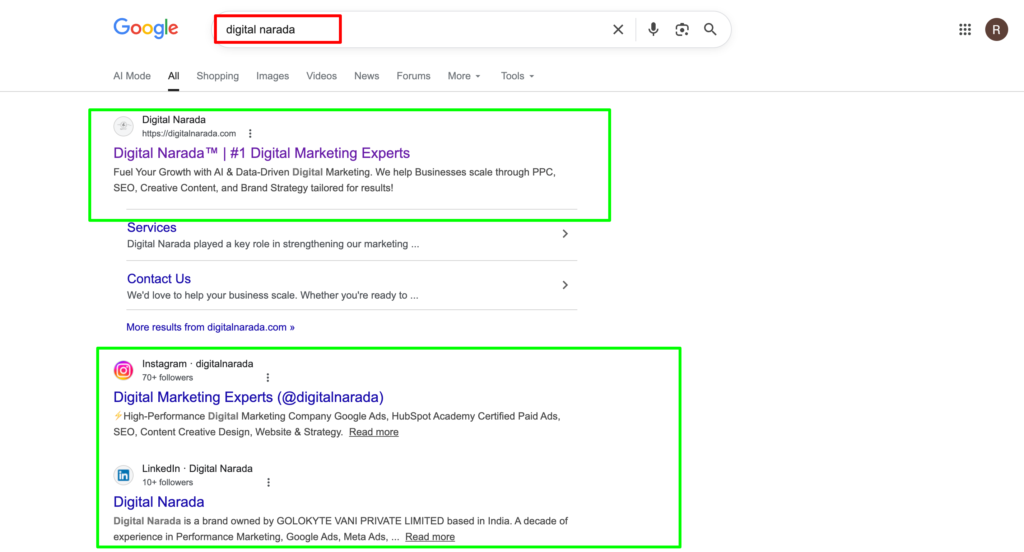
Google Ads operates primarily on paid search. When people search on Google, they are actively looking for an answer or a product or service. Whether they are conducting informational searches to learn about a topic, a navigational query to find a specific brand, or high-intent transactional searches because they are ready to buy, Google captures these web searches at the exact moment of intent.
How It Works
Through comprehensive keyword research, advertisers identify and bid on a specific target keyword relevant to their offering. When user searches match these search terms, the ads appear at the very top of the search engine results page(SERP)—often commanding the prime real estate right above organic listings and featured snippets. Because the user is already actively looking for a specific product or solution, the conversion rates tend to be highly favorable.
The Key Advantages of Google Ads
- High Buyer Intent: Users are often at the bottom of the sales funnel. Someone searching for “emergency plumber near me” or “enterprise CRM software” is ready to buy.
- Measurable ROI: The direct correlation between a search query and a click makes calculating Return on Ad Spend (ROAS) highly accurate.
- A Vast Ecosystem: Beyond the Search Network, Google encompasses YouTube, the Display Network, and Google Shopping, allowing for varied campaign types.
The Drawbacks
- Higher Cost Per Click (CPC): Because of the high purchase intent, competition for top keywords is fierce, driving up the cost. You must ensure your ad directs to a highly optimized landing page to avoid wasting that high CPC.
- Text-Heavy Format: Search ads rely entirely on compelling copywriting rather than visual elements (though Google Shopping is an exception).
Best For: Service-based businesses, local operations, high-ticket B2B software, and products that solve an immediate, specific problem.
Meta Ads (Facebook & Instagram): The Power of Discovery
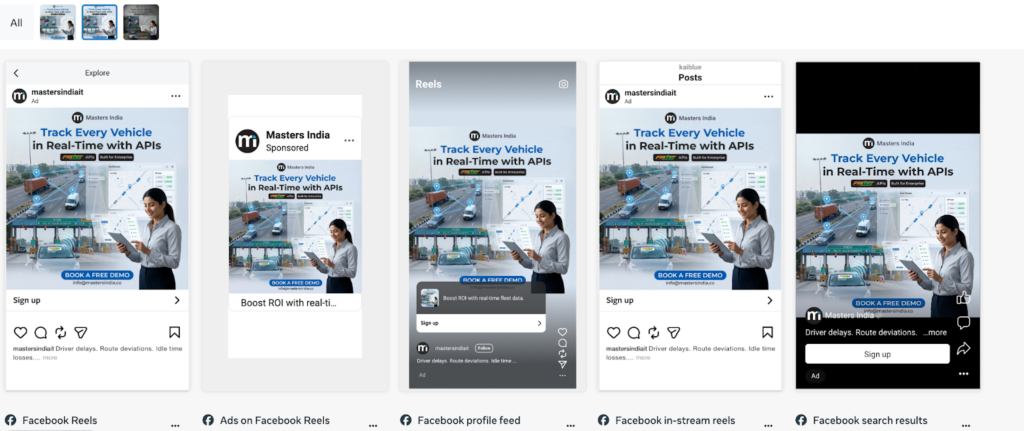
While Google helps customers find your business, Meta helps your business find customers. Meta Ads operate on paid social, utilizing a massive database of user behaviors, interests, and demographics to serve ads directly into user feeds and drive traffic to your web pages.
How It Works
Instead of waiting for a user to search for a product, Meta proactively places highly visual ads in front of users who are likely to be interested based on their online behavior. This is disruption marketing at its finest.
The Key Advantages of Meta Ads
- Granular Targeting: Meta’s algorithm allows you to target users based on incredibly specific criteria—from life events (recently engaged) to highly niche interests and behaviors.
- Visual Impact: Meta is a highly visual medium. You can leverage high-quality images, dynamic carousels, and engaging short-form video (Reels/Stories) to build brand awareness, evoke emotion, and drive a high click through rate directly to your product pages.
- Lower Cost Per Click: Generally, the CPC and Cost Per Thousand Impressions (CPM) are lower on Meta compared to Google’s search network.
The Drawbacks
- Lower Immediate Intent: Users are scrolling their feeds to see updates from friends or be entertained, not necessarily to make a purchase. You have to work harder to disrupt their scrolling and persuade them.
- Creative Fatigue: Visual ads lose their effectiveness quickly. You must constantly test and refresh your ad creative to maintain performance.
Best For: E-commerce, highly visual products, lifestyle brands, innovative products that people don’t know exist yet, and building brand awareness.
Head-to-Head Comparison
| Feature | Google Ads | Meta Ads (Facebook/Instagram) |
| Primary Driver | User Search Intent (Active) | User Interests & Behavior (Passive) |
| Best Format | Text-based Search, Shopping | Images, Videos, Carousels, Stories |
| Cost Per Click (CPC) | Generally Higher | Generally Lower |
| Sales Funnel Stage | Bottom (Ready to buy) | Top to Middle (Awareness & Consideration) |
| Targeting Focus | Keywords & Search Queries | Demographics, Interests & Lookalike Audiences |
How to Choose the Right Platform
Choosing between Google and Meta isn’t about which platform is universally “better”; it is about which is better for your current objective.
Choose Google Ads if:
- Your product or service answers an immediate need (e.g., locksmiths, lawyers, IT support).
- Your target audience is already searching for exactly what you offer.
- Your primary goal is bottom-of-the-funnel lead generation and direct conversions.
Choose Meta Ads if:
- Your product is highly visual or requires demonstration (e.g., apparel, fitness gear, new tech gadgets).
- You are trying to build brand awareness and a community around your product.
- You have a strong arsenal of visual assets (photos and videos) and a compelling brand story.
The Ultimate Strategy: Omnichannel Synergy
For businesses looking to truly dominate their market, the most effective strategy isn’t choosing one platform over the other—it’s using them together.
A sophisticated marketing funnel uses Meta Ads to generate brand awareness and introduce a product to a targeted audience. Then, when those users eventually head to a search engine to research the product further, Google Ads captures that high-intent search and closes the sale.
Maximizing your digital growth requires a strategic, data-driven approach that aligns platform mechanics with your specific audience. If you are ready to stop wasting ad spend and start driving highly qualified traffic and leads to your website, the team at Digital Narada is here to architect a campaign that delivers measurable results